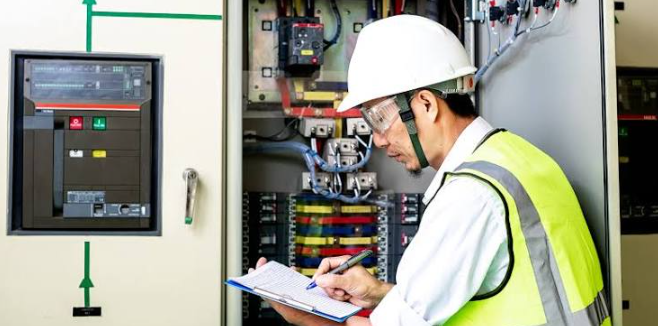

Basements serve many important purposes in residential properties, including storage, laundry, entertainment, and additional living space. However, basement electrical systems often face unique challenges because of moisture exposure, aging wiring, limited ventilation, and previous renovation work. These conditions can affect the reliability of electrical equipment and increase the importance of regular inspections.
For Chicago homeowners, maintaining basement electrical safety is especially important during seasonal weather changes. Heavy rainfall, snowmelt, and plumbing leaks can expose electrical installations to moisture, while additional appliances and finished living spaces can increase electricity demand.
Understanding common basement electrical problems and professional repair procedures can help homeowners maintain dependable electrical infrastructure and reduce potential safety hazards.
Why Basement Electrical Safety Is Important
Residential basements often contain essential household equipment, including washing machines, dryers, water heaters, heating systems, and electrical distribution components.
These devices require suitable electrical connections and protective equipment to operate safely.
Proper basement electrical maintenance provides several benefits:
- Helps identify damaged wiring and deteriorating connections.
- Reduces risks associated with moisture-related electrical faults.
- Supports reliable operation of household appliances.
- Helps prevent overloaded electrical circuits.
- Improves electrical safety in finished basement spaces.
- Supports future renovation and equipment installation projects.
- Makes troubleshooting and maintenance more manageable.
Professional assessments help determine whether existing electrical components remain suitable for their intended use.
Common Electrical Problems Found in Residential Basements
Basement electrical systems can develop problems because of environmental conditions, aging components, or improper installations.
Moisture-Damaged Electrical Outlets
Basement outlets may be exposed to moisture from plumbing leaks, condensation, or water intrusion.
Moisture can damage internal contacts and contribute to corrosion.
Affected outlets should be evaluated by a qualified electrician.
Aging Electrical Wiring
Older properties may contain basement wiring installed many years ago.
Insulation deterioration, physical damage, and unsuitable previous modifications can create electrical hazards.
Loose Electrical Connections
Loose wiring connections can generate excessive heat and affect electrical performance.
These problems may occur in outlets, junction boxes, switches, and distribution equipment.
Frequently Tripping Circuit Breakers
Repeated breaker trips may indicate overloaded circuits, defective appliances, or damaged wiring.
The underlying cause should be identified before the circuit is returned to regular use.
Damaged Lighting Fixtures
Basement lighting can develop problems because of moisture exposure, aging components, or defective electrical connections.
Improper Extension Cord Usage
Some homeowners rely on extension cords to operate basement appliances or equipment.
Extension cords should not replace permanent electrical wiring or appropriately installed outlets.
How Chicago Weather Can Affect Basement Electrical Systems
Chicago’s seasonal weather conditions can influence basement moisture levels and equipment maintenance requirements.
Heavy Rainfall
Intense rainfall may contribute to basement water intrusion when drainage systems cannot adequately manage accumulated water.
Electrical equipment exposed to flooding requires professional assessment.
Winter Snow Accumulation
Snow and ice can collect around residential properties during colder months.
Melting snow may contribute to moisture problems where drainage or foundation conditions allow water to enter.
Spring Snowmelt
Seasonal thawing can increase ground moisture and reveal existing basement water intrusion problems.
Summer Humidity
High humidity may contribute to condensation in poorly ventilated basement environments.
Plumbing Leaks
Water heaters, laundry equipment, and plumbing connections can develop leaks that affect nearby electrical components.
Homeowners should investigate moisture problems before electrical equipment becomes damaged.
Warning Signs of Dangerous Basement Electrical Conditions
Electrical problems sometimes produce noticeable symptoms before major failures occur.
Burning Odors
A burning smell near outlets, lighting fixtures, or electrical equipment may indicate overheating.
This condition requires urgent professional attention.
Electrical Sparking
Unexpected sparks near outlets or equipment may indicate damaged wiring or faulty connections.
Affected equipment should not be used until professionally evaluated.
Flickering Basement Lights
Persistent flickering may result from loose wiring connections, defective fixtures, or voltage problems.
Unusual Electrical Sounds
Buzzing, crackling, or popping noises can indicate potentially dangerous electrical conditions.
Corroded Electrical Equipment
Rust and discoloration around electrical enclosures may indicate moisture-related deterioration.
Repeated Power Interruptions
Unexpected interruptions affecting basement circuits can indicate electrical faults that require professional investigation.
When Should Homeowners Arrange Professional Basement Electrical Repairs?
Basement electrical problems should be addressed promptly, particularly when moisture, damaged wiring, or recurring interruptions are involved.
A qualified Electrical Repair Service in Chicago can help homeowners diagnose defective outlets, inspect damaged wiring, evaluate circuit breakers, and recommend appropriate repairs for basement electrical installations.
Licensed electricians can determine whether individual components require replacement or whether broader electrical modifications are necessary.
Professional evaluation is especially important after flooding because electrical equipment may remain unsafe even after visible water has dried.
Understanding Electrical Safety After Basement Flooding
Floodwater can create serious electrical hazards.
Electrical equipment that has been submerged or exposed to contaminated water may require replacement rather than ordinary cleaning.
Avoid Entering Hazardous Areas
Homeowners should not enter flooded areas where energized electrical equipment may be present.
Do Not Touch Wet Electrical Equipment
Outlets, appliances, wiring, and distribution equipment exposed to water can remain dangerous.
Contact Qualified Professionals
Electrical hazards should be assessed by appropriately trained personnel.
Avoid Reenergizing Damaged Equipment
Flood-exposed circuits and appliances should not be returned to service until a qualified professional determines that doing so is safe.
Evaluate Equipment Replacement Needs
Certain electrical components may require replacement following water exposure according to applicable safety guidance and manufacturer requirements.
Electrical Problems Associated With Basement Appliances
Basements commonly contain appliances that introduce significant electrical requirements.
Washing Machines
Washing machines require suitable electrical connections and appropriate protective devices.
Damaged power cords or malfunctioning outlets should receive professional attention.
Clothes Dryers
Electric clothes dryers can draw substantial electrical current.
Their circuits must be appropriate for the equipment’s electrical rating.
Water Heaters
Electric water heaters may require dedicated circuits and suitable disconnecting arrangements.
Sump Pumps
Sump pumps help remove accumulated water from certain basement drainage systems.
Reliable electrical connections are important because these devices may operate during wet conditions.
Dehumidifiers
Dehumidifiers can help manage indoor moisture levels.
Their electrical loads should be considered when several basement appliances share available circuits.
How Professional Electricians Diagnose Basement Electrical Faults
Electrical troubleshooting involves identifying the source of the problem before performing repairs.
Initial Safety Assessment
An electrician examines the reported issue and identifies potential hazards involving moisture or damaged equipment.
Circuit Identification
The affected circuit is identified to determine which outlets, appliances, and fixtures are connected.
Wiring Inspection
Accessible conductors and connections are examined for signs of damage, corrosion, and deterioration.
Protective Device Evaluation
Circuit breakers and ground-fault protective devices are assessed for suitability and operation.
Electrical Testing
Appropriate testing equipment may be used to evaluate circuit conditions.
Repair Recommendations
Inspection findings help determine whether wiring repairs, outlet replacements, or other corrective measures are necessary.
Why Ground-Fault Protection Matters in Basements
Basements can contain moisture-prone areas where electrical protection is especially important.
Ground-fault circuit interrupters help reduce the risk of electric shock associated with certain electrical faults.
Basement Outlet Protection
Applicable electrical codes may require GFCI protection for basement receptacles and other specified locations.
Laundry Area Protection
Laundry areas may require ground-fault protection depending on the installation and applicable code requirements.
Protective Device Compatibility
GFCI protection may be provided through suitable receptacles or compatible circuit breakers.
Correct Installation
Protective devices must be installed according to applicable requirements and manufacturer instructions.
Periodic Testing
GFCI devices should be tested according to manufacturer recommendations.
Electrical Considerations for Finished Basements
Finished basements often contain additional electrical equipment and living areas.
Entertainment Rooms
Televisions, gaming systems, sound equipment, and lighting fixtures require reliable electrical connections.
Home Offices
Computers, printers, monitors, and networking equipment may require additional outlets.
Guest Bedrooms
Bedrooms must have suitable lighting, outlets, and circuit protection according to applicable residential requirements.
Basement Bathrooms
Bathroom electrical equipment requires appropriate protection because moisture may be present.
Basement Kitchens
Additional cooking appliances and refrigeration equipment may introduce substantial electrical demand.
Professional planning helps ensure that existing circuits can safely support these installations.
Common Basement Electrical Repair Mistakes to Avoid
Improper electrical repairs can create additional hazards.
Using Water-Damaged Outlets
Electrical outlets exposed to flooding should not be reused without professional evaluation.
Ignoring Repeated Breaker Trips
Recurring interruptions may indicate unresolved electrical faults.
Installing Incorrect Protective Devices
Circuit breakers must be compatible with the distribution equipment and appropriately rated for the protected wiring.
Covering Electrical Junction Boxes
Junction boxes must remain accessible where required by applicable electrical codes.
Using Extension Cords Permanently
Extension cords should not replace properly installed permanent wiring.
Attempting Unqualified Electrical Repairs
Electrical distribution equipment may contain energized components even when the main breaker is switched off.
Internal electrical work should be performed only by qualified professionals.
Preventive Maintenance Tips for Basement Electrical Systems
Regular maintenance can help homeowners identify developing problems.
Address Moisture Problems Promptly
Plumbing leaks, condensation, and water intrusion should be corrected before they damage electrical equipment.
Keep Electrical Equipment Accessible
Distribution equipment and required disconnecting devices should remain accessible for professional maintenance.
Inspect Visible Outlet Conditions
Cracked, loose, or discolored outlets should receive professional attention.
Maintain Accurate Circuit Labels
Clearly identified circuits simplify future troubleshooting and repairs.
Avoid Electrical Overloading
High-powered appliances should be connected to appropriately rated circuits.
Schedule Professional Inspections
Qualified electricians can evaluate aging electrical equipment and identify potential safety concerns.
Long-Term Benefits of Timely Basement Electrical Repairs
Prompt electrical repairs help homeowners maintain reliable electricity distribution throughout basement spaces.
Professional troubleshooting can identify deteriorating components before they cause significant equipment problems.
Appropriate outlet protection, suitable wiring, and correctly rated circuits support safer operation of laundry equipment, water heaters, and other appliances.
Maintaining basement electrical infrastructure can also make future remodeling projects more manageable.
Accurate inspection records and repair documentation help homeowners understand the condition of their electrical installations.
Conclusion
Basement electrical systems require careful attention because moisture exposure, aging wiring, and additional household appliances can create unique safety challenges.
Chicago homeowners should recognize warning signs such as repeated breaker trips, damaged outlets, burning odors, and visible corrosion. Electrical equipment exposed to flooding should receive professional assessment before being used again.
With qualified inspections, timely repairs, suitable protective devices, and preventive maintenance, residential basements can maintain safer and more dependable electrical infrastructure while supporting everyday household activities.